One million trees. One million farmers’ futures.
https://gsfncic.org/impact/case-studies/uganda-avocado-campaign/?utm_source=chatgpt.com
From Vision To Action: Uganda Launches A Climate Resilience Initiative In The Cattle Corridor
FOSTERING WATER SECURITY AND CATCHMENT RESILIENCE IN UGANDA’S CATTLE CORRIDOR
The Cattle Corridor is central to the nation’s economic stability, food systems, and rural livelihoods as it is home to about 40% of Uganda’s human population and about 90% of the livestock population, covering approximately 43% of the country’s total land area. It supports millions of agro-pastoral households and contributes significantly to livestock production. Uganda’s Cattle Corridor is predominantly a semi-arid region that faces escalating climate change impacts, intensifying pressure on already fragile ecosystems and deepening community vulnerability.
On April 28, 2026, the Ministry of Water and Environment (MWE), in partnership with Conservation International and in collaboration with Africa Innovations Institute (AfrII), Victoria Basin Facility for Propulsion for Clean Development, and JC Holdings Limited, launched USD 7.59 million Global
Environment Facility (GEF) funded project: Fostering Water Security and Catchment Resilience in Uganda’s Cattle Corridor in Kampala, Uganda. The project aims to promote sustainable and climateresilient land and water management in Uganda’s Cattle Corridor. The launch convened a diverse group of stakeholders, including government officials from various ministries, departments and agencies, development partners, local government officials, civil society organizations, research institutions, the private sector and academia.
A Powerful Call for Integrated Action
In his keynote address, the Permanent Secretary of the Ministry of Water and Environment, Dr Alfred Okot Okidi, representing the Minister of State for Water, emphasised the need for solutions that address both environmental and socio-economic realities: “We cannot sustainably restore ecosystems without improving the lives of the people who depend on them.”
The representative of the Operational Focal Point to the GEF, Mr Denis Muggaga, emphasized the implementation of the environmental and social safeguards, which are fundamental to the sustainability of the project deliverables at the community level. He also highlighted how this project is a pilot under the emerging long-term strategic vision between the GEF and the GCF to strengthen complementarity and coherence of these funds in supporting transformational country-led climate action.
As an executing partner, the Africa Innovations Institute (AfrII) reaffirmed its commitment to translating strategy into tangible results: “Our role is to move beyond strategy and deliver real impact, connecting policy, communities and knowledge to ensure that climate resilience is sustained and scaled.”– Prof George William Otim-Nape.
What Success Looks Like
Over the next five years (2026–2031), the project will deliver targeted, measurable and scalable outcomes, including:
- Improved gender sensitive access to safe and clean water for consumption and agricultural production by local communities in the Cattle Corridor.
- Increased resilience of micro-catchment ecosystems to climate change due to sustainable use and management of water resources
- Strengthened and diversified livelihoods and income sources for vulnerable groups in the Cattle Corridor
- Strengthened Community-led organisations and Micro, Small and Medium enterprises (MSMEs) for learning, leveraging financing and the adoption of resilient and sustainable alternative livelihoods.
- Increased capacity of District and Local Governments to mainstream climate adaptation into District Plans.
Building Resilience Where It Matters Most
As climate risks intensify, the need for bold, coordinated and inclusive solutions has never been greater. This initiative demonstrates what is possible when strategic investment, government support, and strong partnerships come together to drive impact. It is not just about responding to the impacts of climate change, it is about building resilient communities, restoring ecosystems and securing sustainable futures.
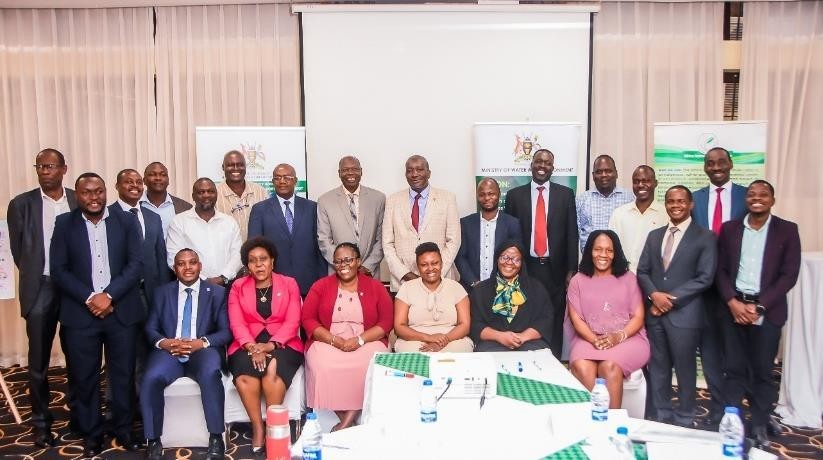
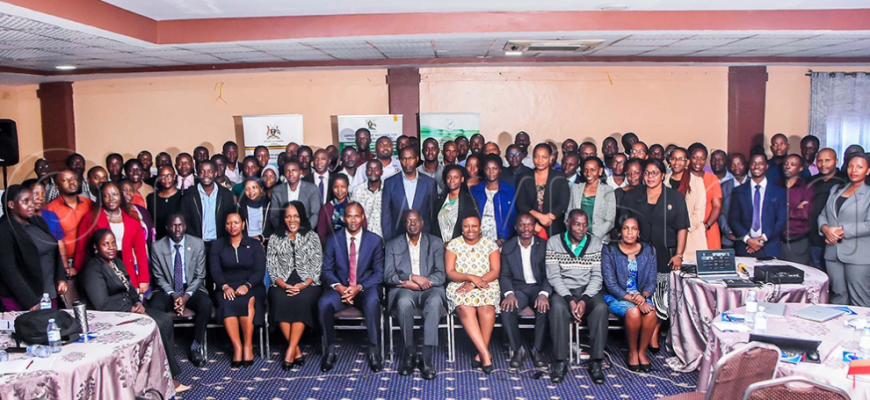
Photo with the Permanent Secretary, Ministry of Water and Environment (MWE) and representative from OFP, staff from MWE and MDAs, Conservation International, Africa Innovational, and other non-government organizations during the project launch on 28th April in Kampala, Uganda. Photo credit @AfrII
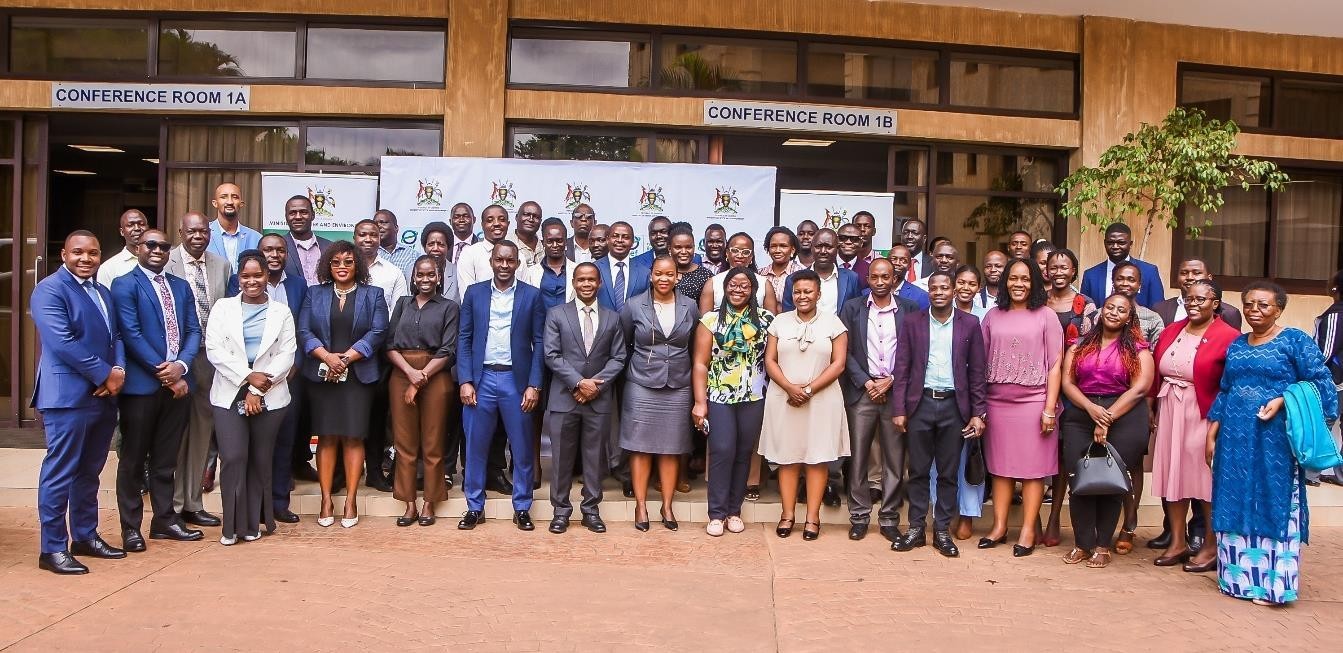
Group photo of the participants at the Launch of the Cattle Corridor Project on 28th April 2026 at Protea Hotel in Kampala Uganda. Photo credit: @AfriII
“I love my work but sometimes the most important thing in a whole day is the rest I take to catch a breath” –Zaituna Amuge
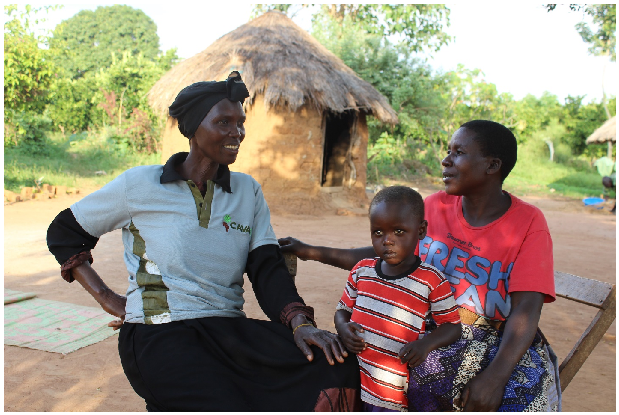
Thursday 17 th August 2023- After her day’s farming activities that include digging and tending to her livestock, prominent CAVA-supported farmer, Mrs. Zaituna Amuge Emutu, enjoys an afternoon chill and chats with a fellow farmer at her home compound in Bukedea district, Eastern Uganda. Zaituna is the Chairperson of the Popular Knowledge Women Initiative (P’KWI) farmer group that was discovered back in 2005 by the CAVA project that supported and trained them in the processing of High-Quality Cassava Flour (HQCF), baking, and extensive cassava production. The CAVA Project reached and benefitted over one million farmers (1M), many of these being women and youth from Central, Eastern and Northern Uganda.
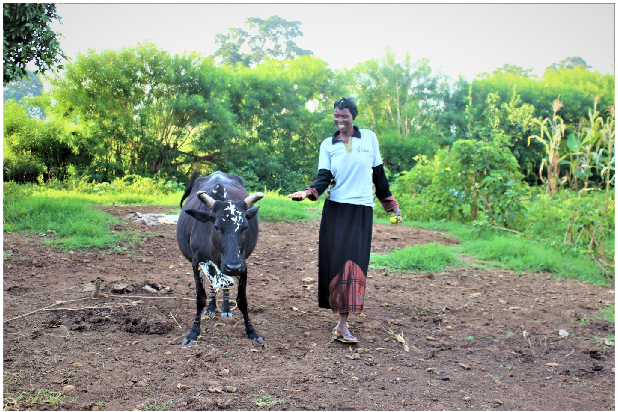
Zaituna merrily tends to her cattle on her farm home in Bukedea District, Eastern Uganda
AfrII extends a vote of gratitude to The Bill and Melinda Gates Foundation for funds provided to ensure the effective and smooth implementation of the CAVA Project. We also extend a vote of appreciation to the Natural Resources Institute, University of Greenwich through whom the funds were provided. Lastly, we also recognize the efforts of fellow implementing countries, Nigeria, Tanzania, Ghana, and Malawi for the impact recorded on CAVA interventions at the country level.
AfrII to deliver working policies aimed to strengthen the National Agricultural Research System (NARS) of Lesotho
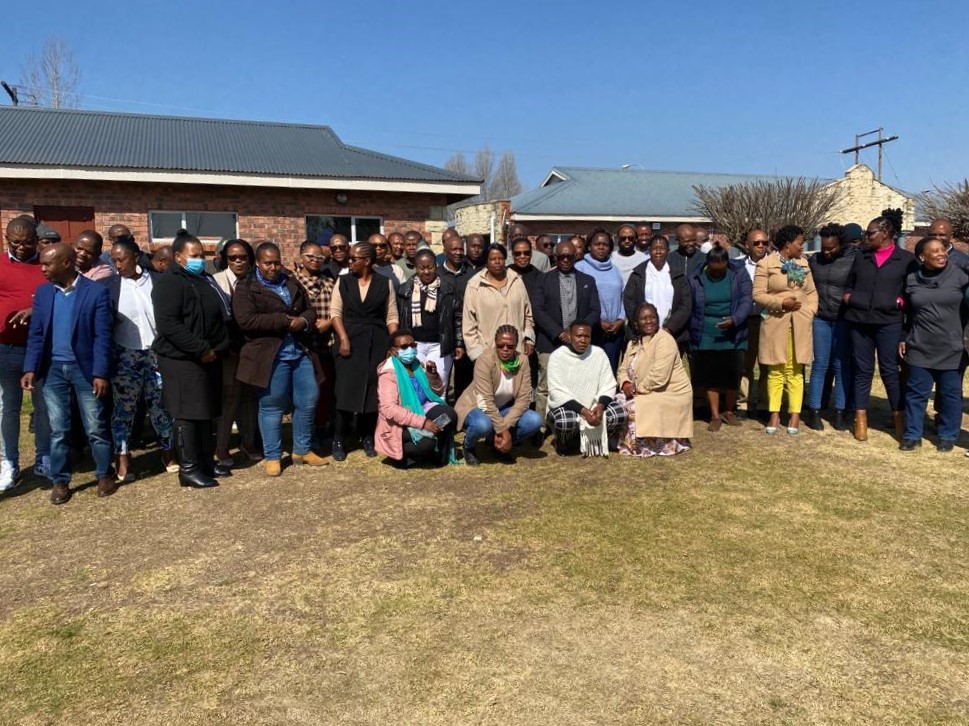
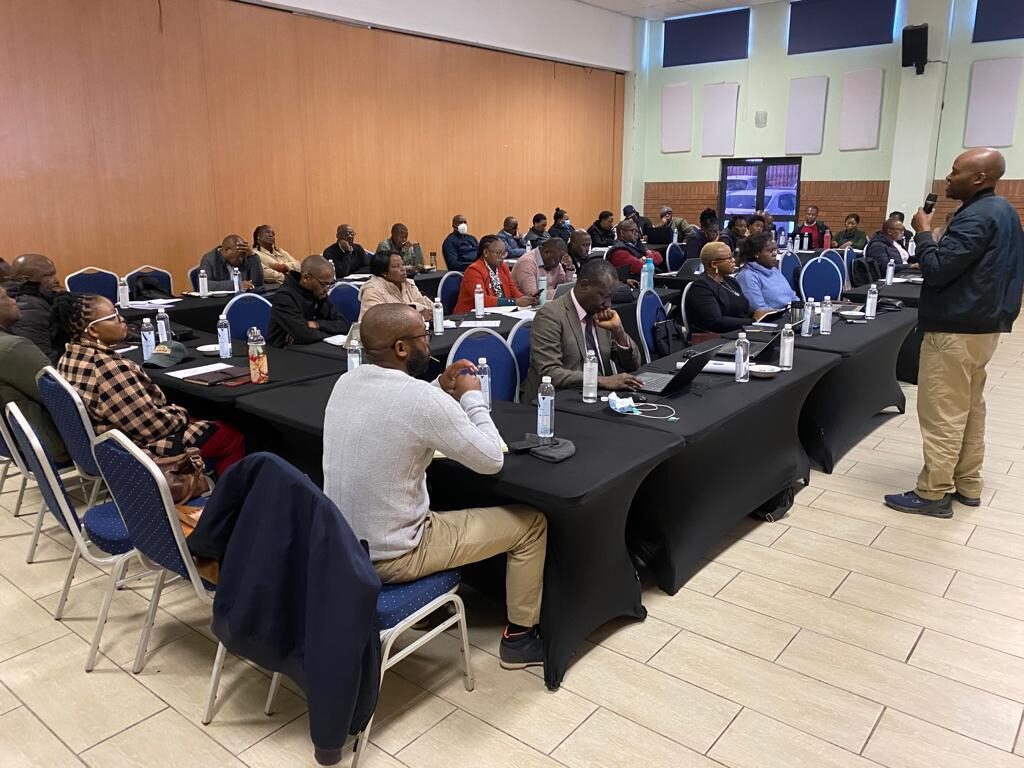
Participants at the Agricultural Research Planning Workshop at DAR, Lesotho pose for a group photo
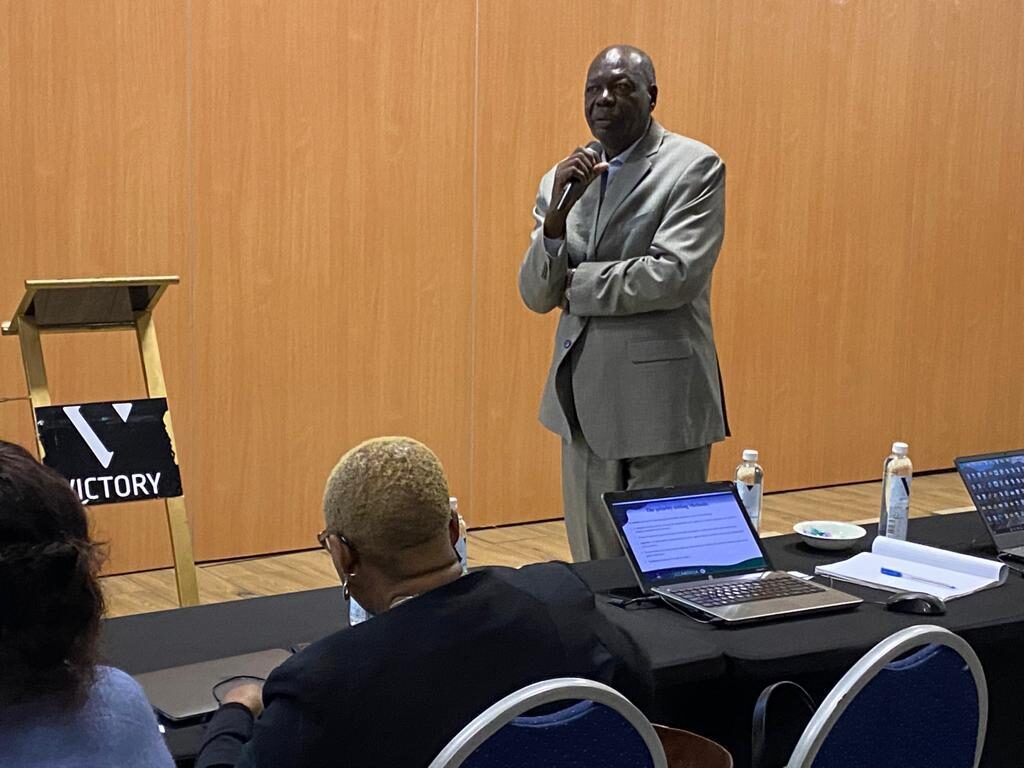
Monday 14th /08/ 2023- A team of consultants from Uganda led by the AfrII CEO, Prof. George William Otim-Nape is currently engaged in a series of activities and meetings with the Kingdom of Lesotho including the recent Agricultural Research Planning Workshop at DAR and a Priority Setting Planning Workshop at Victory Hall, Maseru-Lesotho. The Kingdom of Lesotho’s Ministry of Agriculture and Food Security through the Department of Agricultural Research (DAR) hired the experts from Africa Innovations Institute (AfrII) to deliver consultancy services for the joint ‘Agricultural Productivity Programme for Sothern Africa’ project. This team is expected to develop strategies and working policies to strengthen the National Agricultural Research System (NARS) of Lesotho through research and innovation development.
World Breastfeeding Week Kicks Off
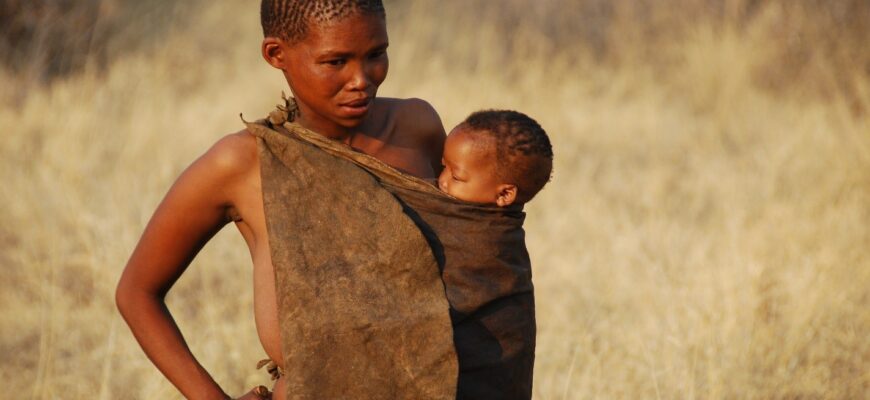
Tuesday 1st /08/2023 -Today, World BreastFeeding Week has commenced under the theme “Enabling Breastfeeding: Making a difference for working parents”. It is argued that there is a limited enabling environment for working mothers to sufficiently breastfeed their infants which affects child development. This breastfeeding week of 1st– 7th August, let us, therefore, all join in to emphasize the need for an enabling work environment to ensure that working mothers on the job play their role and feed their infants as is required.
DID YOU KNOW THAT:
Over 820,000 children’s lives could be saved every year among children under 5 years if all children 0–23 months were optimally breastfed.?
Breastfeeding improves IQ, and school attendance, and is associated with higher income in adult life?
Infant and young child feeding is a key area to improve child survival and promote healthy growth and development?.
WorldBreastFeedingWeek theme: “Making a difference for working parents”
(Source: WORLD HEALTH ORGANIZATION (WHO)
AfrII Engages Key Stakeholders in the Development of the CBIT Phase Two Project Document
 Friday 21st/07/2023-The National Stakeholders Consultation Workshop for the Preparation of the Second Phase of the Capacity Building Initiative for Transparency II (CBIT II) was held to create stakeholder awareness about the CBIT II Project and determine stakeholder feedback mechanisms for providing further information to the project preparation process. Consultants from Green Approaches Limited facilitated the two-day workshop organized by AfrII at the Royal Suites Hotel, Bugolobi from the 19th to the 20th of July 2023.
CBIT II will build on the great successes of CBIT I’s ‘Strengthening Capacity of Institutions in Uganda to Comply with Transparency Requirements of the Paris Agreement’ project. Under CBIT I, over 80 people were sensitized and trained on GHGI and MRV, Gender focal points were established in 5 sector hubs, the Uganda MRV portal was developed, and 6 sector GHG inventories were developed, among other achievements recorded. CBIT I was funded by the GEF-CI and implemented by AfrII and the Ministry of Water and Environment- Climate Change Department (CCD).
“This workshop is crucial because it highlights the importance of using previous technical expertise and since most of you here have been previously involved in CBIT I, I am confident that this will help us quickly build on what was done and do more on CBIT II. AfrII extends sincere appreciation to the Global Environment Facility and Conservation International for funds availed for the successful implementation of CBIT I. AfrII pledges to support the project as expected and appeals to all actors to similarly fully commit so as to deliver a successful CBIT Phase II project.” The remarks were made by AfrII’s Dr. Ben Fungo on behalf of the AfrII CEO- Prof. Otim-Nape.
In her remarks delivered by the Ministry of Water and Environment-CCD’s Ms. Irene Chekwoti, the Commissioner of Climate Change Ms. Margaret Athieno Mwebesa stated “Uganda benefitted from the CBIT I and made notable progress in enhancing the capacity of national institutions on monitoring, reporting, and verification of emissions. The Ministry is very confident that CBIT II will make an even greater impact on tracking and reporting on Uganda’s GHG emissions. The Ministry extends appreciation to our partners Conservation International and AfrII for joining efforts to seek this support from the international climate finance institutions to benefit Uganda.”
AfrII and MWE wish to jointly extend appreciation to the consultants leading the process of putting together all our ideas into a compelling fundable proposal for the CBIT II project.
Increasing youth inclusion in value chain agribusiness ventures
Representatives of Windwood Millers Limited (WML), at the, just concluded quarterly meeting for the end of the 2nd quarter of implementing the AfrII- WML- PSFU YAW Project titled ‘Increasing Income and Creating Job Opportunities for Youth in the Cassava Value Chain’. The project aims to create 5,214 decent and sustainable jobs for youths through the production and sale of 144,000 MTs of fresh cassava roots, and 6,000 MTs of soybeans, to WindWood Millers Ltd for processing into high-quality flour and other products for the markets. This project will enable WML to expand and stabilize its raw material supply, strengthen the supply chain and expand into bigger markets. This capability will thus enable the firm to offer decent job opportunities to young males and female youths engaged in the value chains.

Mr. Joseph Ochen and Ms. Angella Ajam (front row 2nd & 3rd) partook in the meeting held at the Sheraton Kampala Hotel to track the progress of project implementation. During the meeting also, a web-based data uploading system was launched in preparation for the 3rd quarter, where this system will be put to maximum use.
Death Announcement of Dr. Roger Alexander Kirkby, former Board Chairman, Africa Innovations Institute
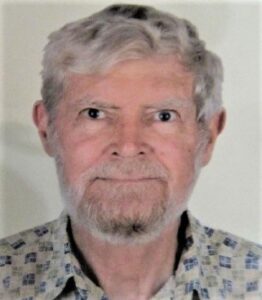 It is with deep sorrow that we announce the death of our former Board Chairman, Dr Roger Alexander Kirkby, who passed away on May 14th, 2023 in the United Kingdom.
Dr Kirkby was born on April 10th, 1946. He obtained a PhD in 1981 from Cornell University in the USA. He started his career with three years of research in the Andes Mountains of Ecuador; was a cotton entomologist in Tanzania from 1969 to 1974; and worked for the International Maize and Wheat Improvement Center (CIMMYT) in Mexico. He was a Programme Officer for Canada’s International Development Research Centre in Nairobi, Kenya where he developed more than 20 projects across Eastern, Central and Southern Africa; worked with the International Centre for Tropical Agriculture (CIAT) in 1986, with bases first in Ethiopia, then Tanzania and finally to Uganda where he lived for 23+ years and took pride in dual Ugandan and British citizenship. Dr. Kirkby started the regional bean networks that eventually coalesced into the Pan-African Bean Research Alliance (PABRA), for which he was the coordinator for many years. In later years, he coordinated the CIAT global programme on People and Agro-Ecosystems.
Dr. Kirkby served as the AfrII Board Chairman from January 2019 until his death. Prior to this role, he carried out consultancies for USAID and ASARECA and also mentored various start up enterprises. He was a laudable Agricultural Research Scientist who made an invaluable contribution to research and development in Uganda, Africa and Globally. Specifically, AfrII is forever grateful for his vital contribution in sharing his vast knowledge and experience in agricultural research and innovations that greatly benefitted the Institute in its growth trajectories.
We join the family, relatives, friends and colleagues in mourning this great scientist, leader and senior citizen. He was intelligent, thoughtful, caring, warm, accessible and was someone we could always rely on. He will be missed by all who had the pleasure and privilege to know him.
Rest in everlasting peace Dr. Roger Alexander Kirkby.
AfrII Team Fast-Tracks CASCADE Project Implementation
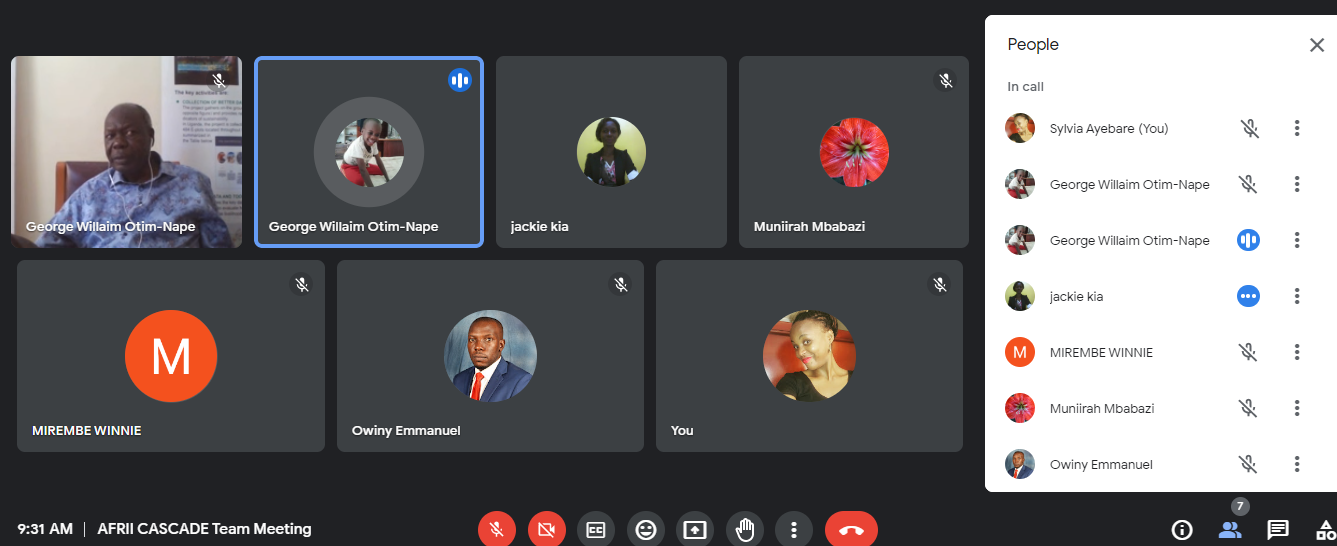
Tuesday 16th/05/2023: – The Africa Innovations Institute (AfrII) CASCADE project team earlier today held a virtual meeting to share progress on project implementation, operations, challenges and upcoming activities aligned for the projects progress. The team holds regular internal meetings to keep abreast of project progress for a smooth implementation in selected districts in the Karamoja, Acholi and Tooro regions.
In attendance was the AfrII CEO Prof. G.W. Otim-Nape, the Project Coordinator- Dr. Muniirah Mbabazi, the Nutrition and Innovations Manager-Mr. Wilson Kirabira, Hub officers; Ms. Winnie Mirembe, Mr. Emmanuel Owiny, and Mr. Brian Kipkemoi. Also present was the Finance Officer-Ms. Kia Brenda and the Administrator -Ms. Sylvia Ayebare.
The CAtalyzing Strengthened policy aCtion for heAlthy Diets and resiliencE projet (CASCADE) is a multi-country project implemented in 6 countries in Africa including Uganda. The project aims to improve food security and contribute to the reduction of malnutrition of at least 1 million Women of Reproductive Age (WRA) and Children in Benin, Ethiopia, Kenya, Nigeria, Mozambique, and Uganda.
The CASCADE Project is funded by the Netherlands Ministry of Foreign Affairs through Care International.